Poison Ivy Removal in Harford County, MD
Poison ivy removal services are designed to help homeowners safely eliminate this common and often problematic plant from their properties. These services typically cover a variety of projects, including clearing poison ivy from yards, gardens, fences, and around outdoor structures such as decks or sheds. Property owners often seek removal when poison ivy poses a health risk due to contact or when it begins to spread into landscaped areas, making it difficult to enjoy outdoor spaces comfortably.
Before requesting poison ivy removal, property owners usually want to understand the extent of the infestation and the best methods for removal to prevent regrowth. It’s important to consider whether the plant is growing near sensitive areas like vegetable gardens, children’s play zones, or valuable landscaping. Knowing the location and size of the poison ivy growth can help determine the most effective approach for safe and thorough removal, ensuring the area remains safe and accessible for outdoor activities.
Many property owners in Harford County, MD look into Poison Ivy Removal for repairs, replacements, upgrades, and appearance-related improvements.
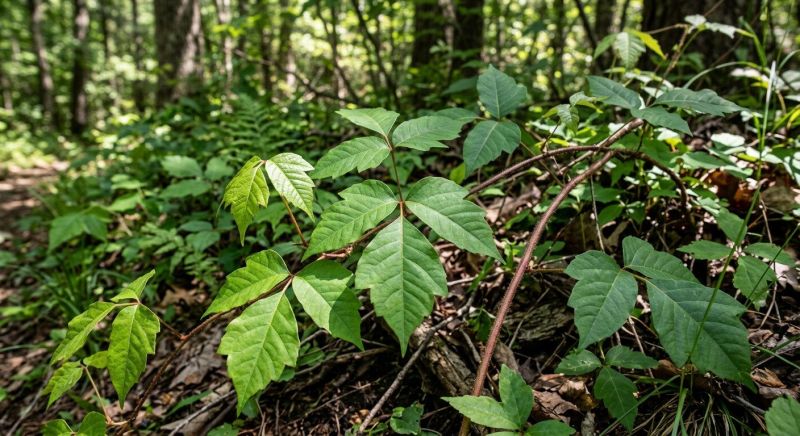
Identifying Poison Ivy
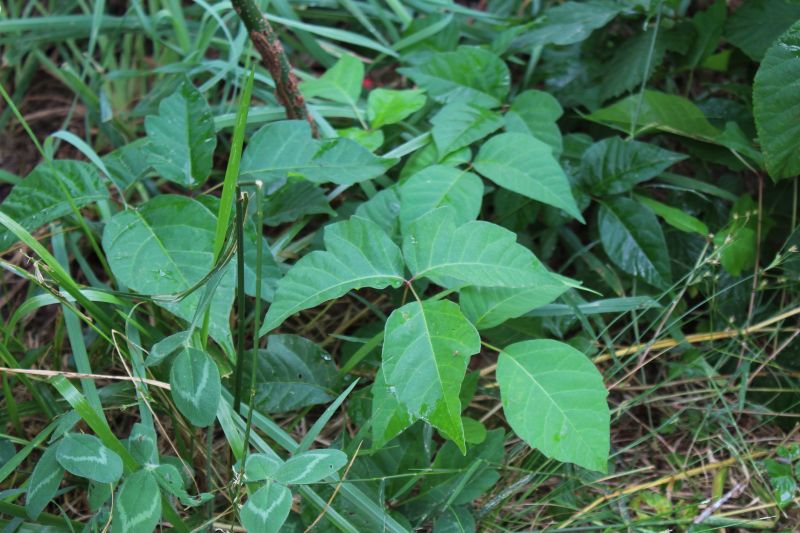
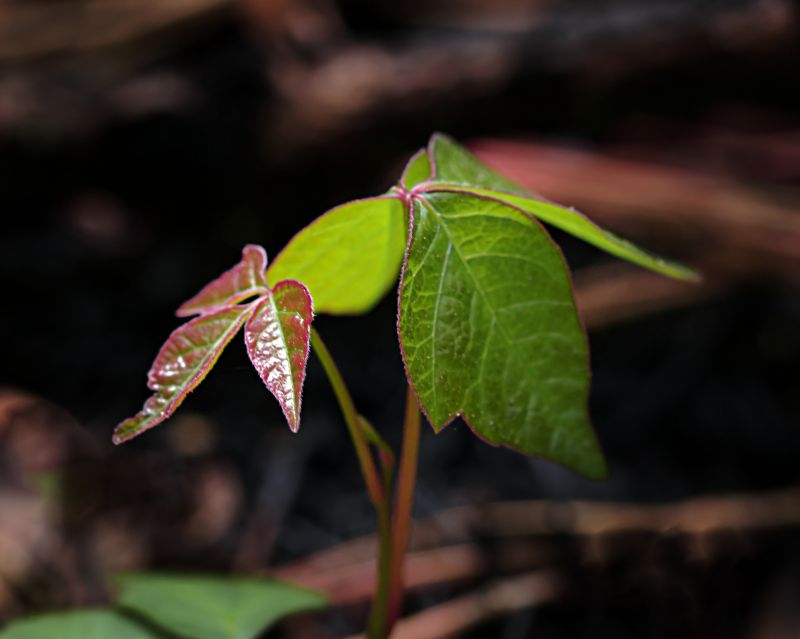
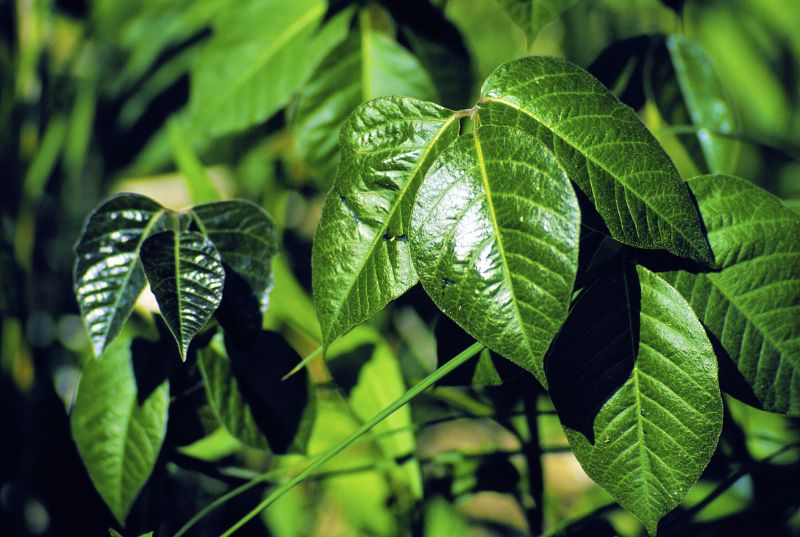
Recognizing poison ivy growth is essential for safe removal around homes and gardens.
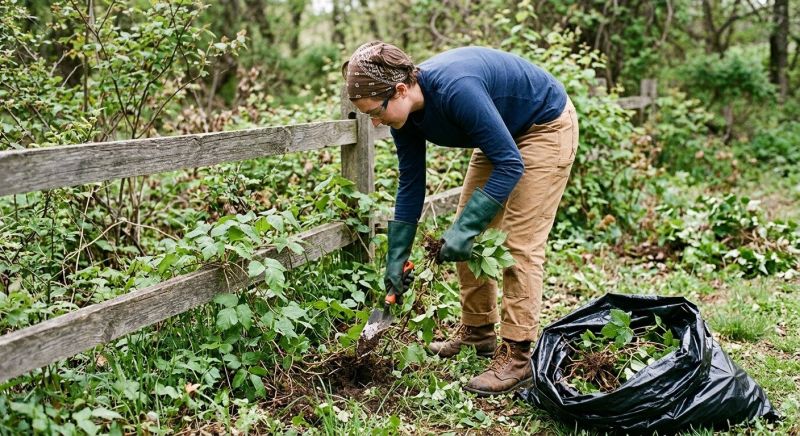
Removal Techniques
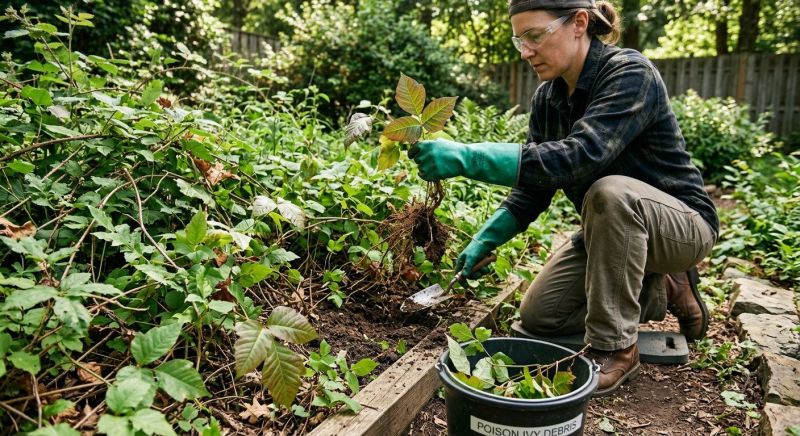
Effective removal methods help prevent the spread and reduce health risks on residential properties.
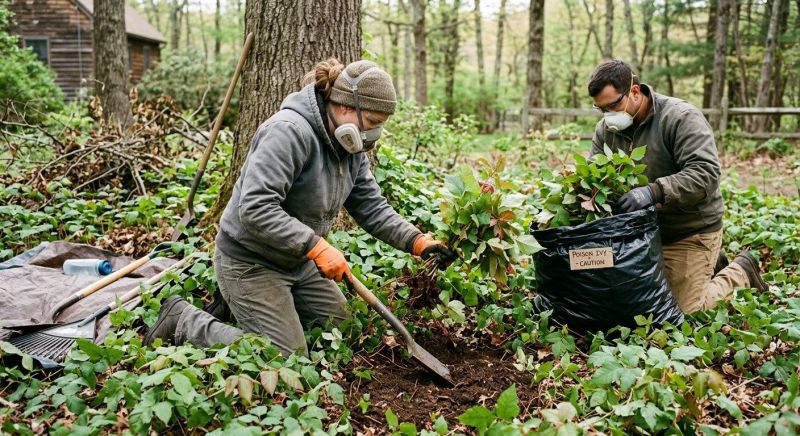
Property Safety
Removing poison ivy protects family members, pets, and landscaping from potential irritants and damage.
Poison Ivy Removal in Harford County, MD
Poison ivy removal services are designed to help homeowners safely eliminate this common and often problematic plant from their properties. These services typically cover a variety of projects, including clearing poison ivy from yards, gardens, fences, and around outdoor structures such as decks or sheds. Property owners often seek removal when poison ivy poses a health risk due to contact or when it begins to spread into landscaped areas, making it difficult to enjoy outdoor spaces comfortably.
Before requesting poison ivy removal, property owners usually want to understand the extent of the infestation and the best methods for removal to prevent regrowth. It’s important to consider whether the plant is growing near sensitive areas like vegetable gardens, children’s play zones, or valuable landscaping. Knowing the location and size of the poison ivy growth can help determine the most effective approach for safe and thorough removal, ensuring the area remains safe and accessible for outdoor activities.
Many property owners in Harford County, MD look into Poison Ivy Removal for repairs, replacements, upgrades, and appearance-related improvements.
Common Poison Ivy Removal Jobs
Poison Ivy Removal - safe removal of poison ivy from lawns, gardens, and landscaping areas.
Poison Ivy Clearing - eradication of invasive poison ivy to prevent spread and protect property.
Poison Ivy Control - ongoing management to reduce future growth and maintain a safe landscape.
Poison Ivy Cleanup - removal of dead vines and plant debris after removal work is completed.
Poison Ivy Treatment - application of methods to eliminate poison ivy and prevent regrowth.
Poison Ivy Prevention - strategies to keep poison ivy from returning in landscaped or wooded areas.
Poison Ivy Removal Questions
What is poison ivy removal? Poison ivy removal involves safely eliminating the plant to prevent skin irritation and property damage.
Why should poison ivy be removed promptly? Removing poison ivy quickly reduces the risk of contact and prevents it from spreading to nearby areas.
What methods are used for poison ivy removal? Methods include manual removal, herbicide application, and root excavation to ensure complete eradication.
Is professional poison ivy removal necessary? Professional services ensure safe and effective removal, especially for large or hard-to-reach infestations.
Request Poison Ivy Removal in Harford County, MD
Use the quote form on this page to share the basics of your project and request more information for the type of work you need.