Poison Ivy Removal in Lancaster County, PA
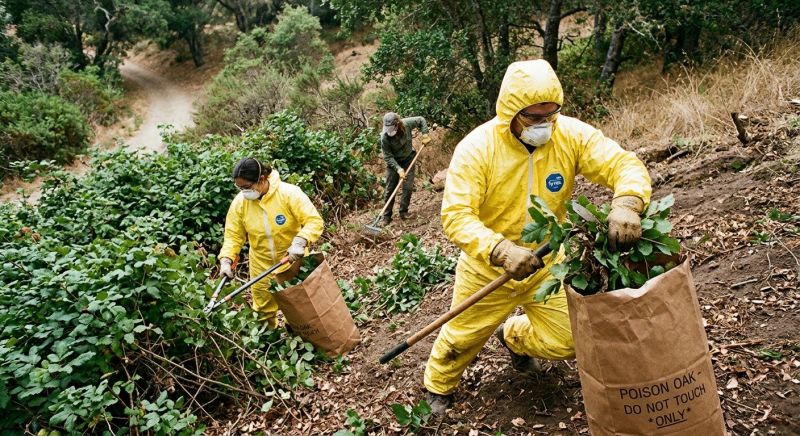
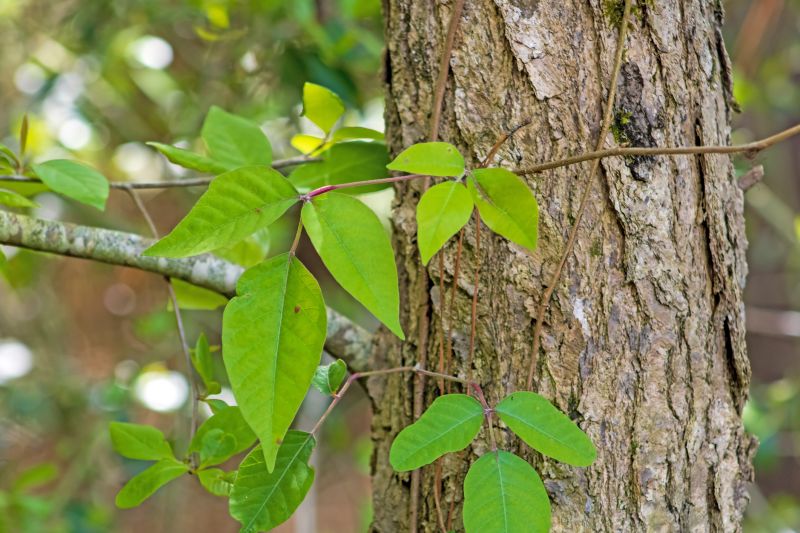
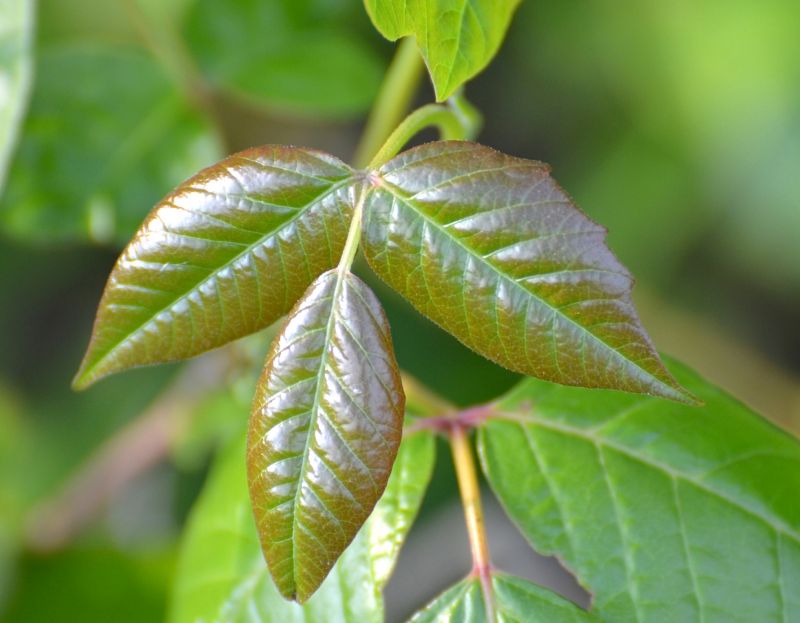
Poison ivy removal services focus on safely eliminating this invasive plant from residential properties, including yards, gardens, and wooded areas. The process typically involves identifying the presence of poison ivy, which can grow as ground cover, vines on trees, or shrubs, and then carefully removing it to prevent further spread. Property owners often request this service to protect children, pets, and themselves from skin irritation and allergic reactions caused by contact with the plant. Clearing poison ivy also helps maintain the health and appearance of landscaping, ensuring outdoor spaces remain safe and enjoyable.
Before requesting poison ivy removal, property owners usually want to understand the extent of the infestation and the best methods for removal, especially in areas with dense growth or hard-to-reach spots. It’s important to consider whether the removal will involve manual pulling, trimming, or chemical treatments, and to be aware of any regulations or safety precautions that might apply. Proper removal minimizes the risk of spreading the plant and ensures that the affected area is thoroughly cleared, reducing the chance of regrowth and keeping outdoor spaces safe for all visitors.
Many property owners in Lancaster County, PA look into Poison Ivy Removal for repairs, replacements, upgrades, and appearance-related improvements.
Understanding Poison Ivy
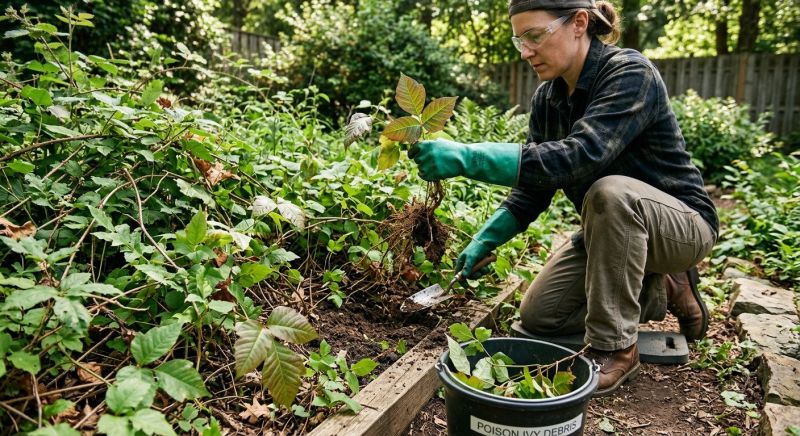
Poison ivy is a common cause of skin irritation for homeowners in lancaster county and surrounding areas.
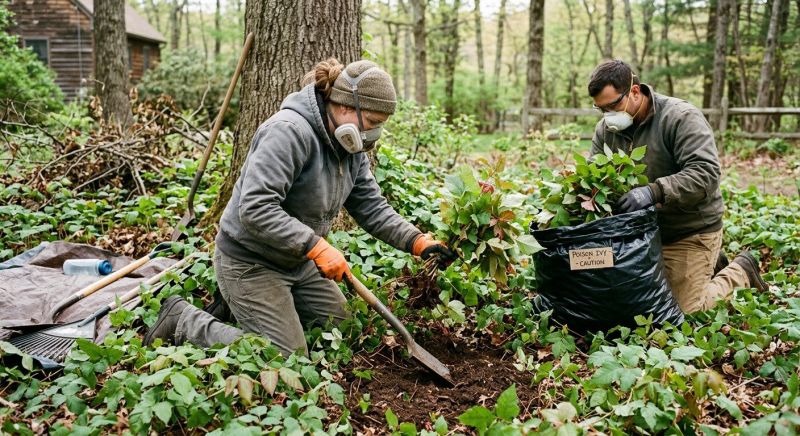
Signs And Risks
Recognizing the presence of poison ivy can help prevent allergic reactions and skin contact hazards.
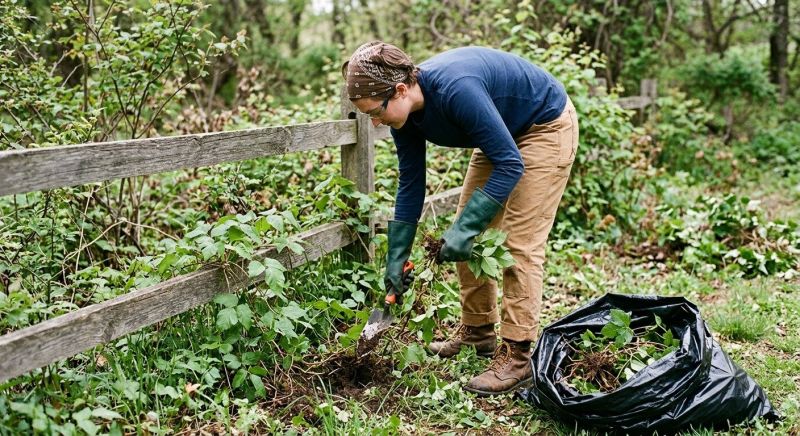
Removal And Prevention
Professional removal services help safely eliminate poison ivy and reduce the chance of future growth.
Poison Ivy Removal in Lancaster County, PA
Poison ivy removal services focus on safely eliminating this invasive plant from residential properties, including yards, gardens, and wooded areas. The process typically involves identifying the presence of poison ivy, which can grow as ground cover, vines on trees, or shrubs, and then carefully removing it to prevent further spread. Property owners often request this service to protect children, pets, and themselves from skin irritation and allergic reactions caused by contact with the plant. Clearing poison ivy also helps maintain the health and appearance of landscaping, ensuring outdoor spaces remain safe and enjoyable.
Before requesting poison ivy removal, property owners usually want to understand the extent of the infestation and the best methods for removal, especially in areas with dense growth or hard-to-reach spots. It’s important to consider whether the removal will involve manual pulling, trimming, or chemical treatments, and to be aware of any regulations or safety precautions that might apply. Proper removal minimizes the risk of spreading the plant and ensures that the affected area is thoroughly cleared, reducing the chance of regrowth and keeping outdoor spaces safe for all visitors.
Many property owners in Lancaster County, PA look into Poison Ivy Removal for repairs, replacements, upgrades, and appearance-related improvements.
Common Poison Ivy Removal Jobs
Poison Ivy Removal - safely eliminates invasive plants from yards and landscapes.
Poison Ivy Removal - clears affected areas to prevent skin irritation and allergic reactions.
Poison Ivy Removal - targets plants growing on trees, fences, and ground surfaces.
Poison Ivy Removal - reduces the risk of accidental contact during outdoor activities.
Poison Ivy Removal - restores the safety and appearance of residential and commercial properties.
Poison Ivy Removal - involves careful removal to prevent regrowth and spread.
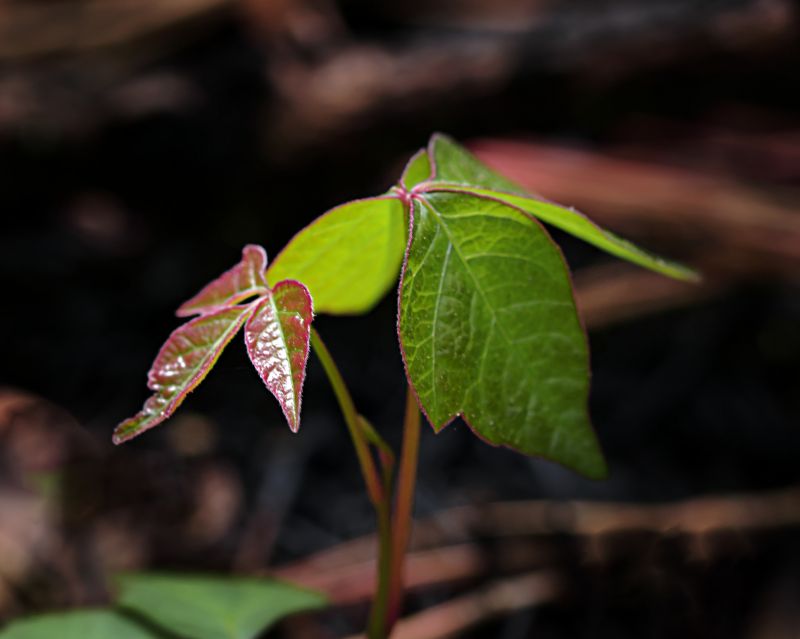
Poison Ivy Removal Questions
What is poison ivy removal? Poison ivy removal involves safely eliminating the plant to prevent skin irritation and property damage.
When should poison ivy be removed? Removal is recommended when the plant is growing in areas accessible to children or pets or when it poses a risk to landscaping.
Are there safety concerns with removal? Yes, proper precautions should be taken to avoid skin contact with the plant's urushiol oil, which causes allergic reactions.
What areas can be treated for poison ivy? Treatment typically includes yards, gardens, fence lines, and other outdoor spaces where the plant is present.
Request Poison Ivy Removal in Lancaster County, PA
Use the quote form on this page to share the basics of your project and request more information for the type of work you need.